

- September 28, 2026|
- Windows|
- sandymount_admin
Windows should be replaced when they show persistent draughts, condensation between panes, visible frame damage or a steady rise in energy bills. These are reliable indicators of seal failure and reduced thermal performance. They typically appear once a window passes 20 to 25 years old. Spotting them early avoids paying twice: once for a patch repair, and again for the replacement that follows soon after.
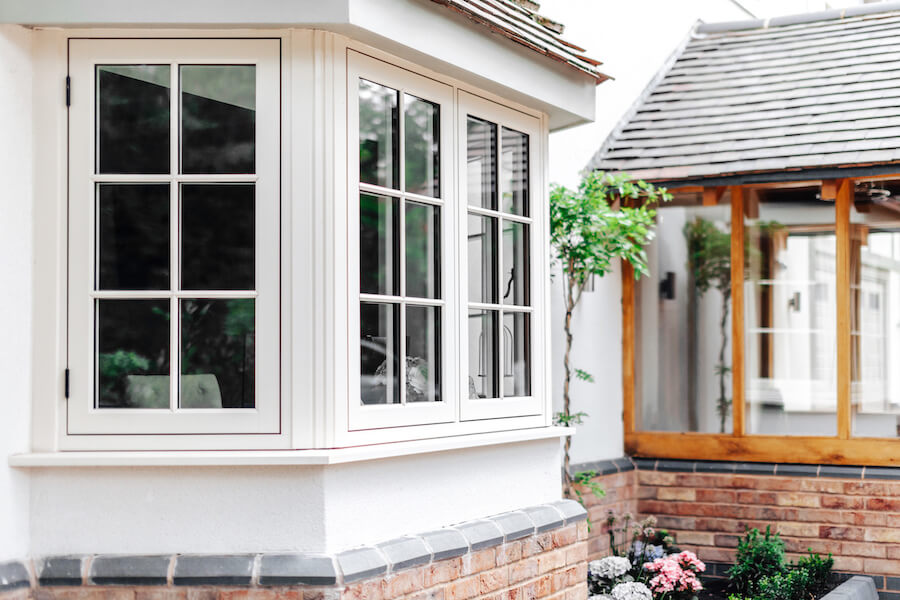
Signs your windows need replacing
One of the following issues on its own does not automatically call for a full replacement. It is when several appear together that a window replacement becomes the clear choice.
- Persistent draughts: air movement around a closed window usually points to a failed seal or frame. It is one of the most common reasons homeowners begin a window replacement project.
- Condensation between panes: misting trapped between two panes rather than on the surface is a clear sign of seal failure. Moisture has entered the unit, so the insulating gap stops doing its job.
- Visible damage to the frame: cracking, warping, rot or corrosion is what a repair can’t fix. In older properties this often points to structural damage developing out of sight.
- Windows that are hard to open or close: sticking, rattling or a handle that won’t turn smoothly means the frame has shifted out of shape. This makes a window harder to secure, especially during strong weather.
- Rising energy bills: a steady rise in heating costs with no change in usage often points to heat loss through old windows. Older units weren’t built to today’s energy performance standards.
- More noise from outside: a rise in outside noise through the glass near a road usually means the glazing or seals have degraded. Newer glazing is designed with sound reduction in mind.
Ageing frames and worn seals can compromise your home security
Windows do more than keep the weather out. A warped frame or a broken seal can create a gap that a determined intruder is able to exploit. Older windows were rarely fitted with the security standards expected today. All our replacement windows are all fitted with multi-point locking systems as standard, so home security never something to worry about.
How long do windows typically last?
Lifespan comes down to three things: the material used, the quality of the original installation and how well the frames have been maintained since. The table below shows what you can expect from each window type:
| Window type | Typical lifespan | Key factors affecting longevity |
| uPVC double glazing | 20–25 years | UV exposure, seal quality, original grade |
| Aluminium double glazing | 30–40+ years | Powder coat condition, thermal break quality |
| Timber (well maintained) | 20–30+ years | Regular painting and staining, drainage details |
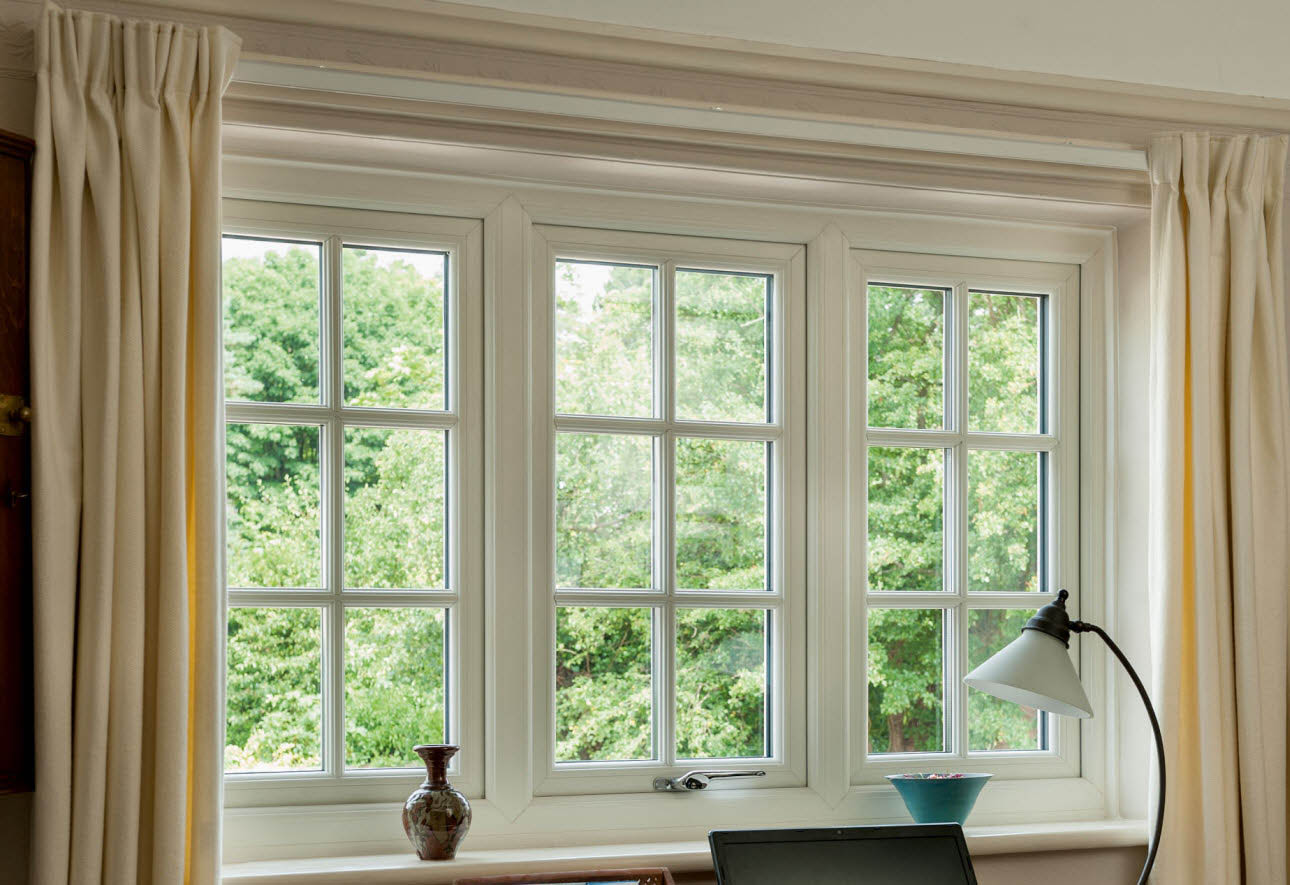
Once a window passes its typical lifespan, the risk of water infiltration and heat loss increases, even if it still looks fine from the outside. At Sandymount we specialise in uPVC and aluminium replacement windows. uPVC is a durable, cost-effective choice for most homes, and aluminium offers a longer typical lifespan where that is the priority.
Repair or replace: how to decide
Repair is worth considering whenever the damage is contained. Replacement becomes the more sensible option once problems are widespread, or once the ongoing cost outweighs a straightforward fix.
When to repair
- Your frame is still sound and the fault is contained, such as a single broken seal or a worn handle
- Repair is usually the cheapest option in the short term
- A professional inspection is the best way to check it will hold
When to replace
- You are noticing more than one of the signs above, rather than just one
- Repairing each window individually can cost more in the long run, once you add up the total cost of ongoing repairs and higher energy bills
- This is especially true if your home is older and predates current building regulations
- If you live in a conservation area, our team can talk you through which styles are permitted
The benefits of new windows
Once replacement is the right decision, the choice of style matters as much as the decision itself. New windows are available in casement, flush sash and sash styles, so period and modern properties are equally well served. Depending on the specification chosen, replacement windows can offer:
- Better energy efficiency, through double glazing or triple glazing paired with thermal technology
- Consistent room temperatures throughout the year, with lower energy costs
- Sound reduction, cutting outside noise and noise pollution
- Stronger security, with multi-point locking as standard
- UV protection, helping prevent fading of furniture and flooring
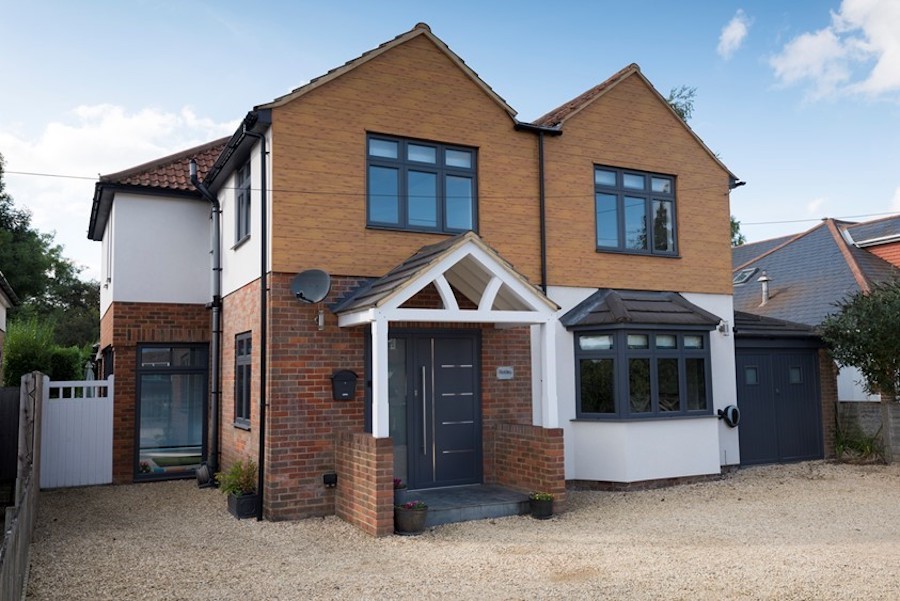
- A visible lift in kerb appeal and your home’s value
Get in touch for a free consultation
If you are experiencing any issues with your windows, from persistent draughts to condensation, our team can help you weigh up repair against replacement. Get in touch with us today:
- Enquire online to arrange your free consultation
- Call us on 01793 230684
- Email windowsanddoors@sandymount.co.uk
- Visit our showroom to see our range of windows